


Quick Answer: Automation in restaurant phone ordering increases efficiency, reduces labor costs, and improves customer satisfaction.
Introduction to Restaurant Phone Ordering Challenges
Traditional phone ordering systems for restaurants are plagued by missed calls, lost revenue, and poor customer experience. As a result, restaurants are turning to automation to streamline their phone ordering processes. National Restaurant Association research on restaurant technology highlights the importance of adopting innovative solutions to stay competitive.
The Impact of Missed Calls on Revenue
Missed calls can result in lost revenue, as potential customers are forced to take their business elsewhere. In fact, experts in the field suggest that the average restaurant loses around 10% of its potential revenue due to missed calls. By implementing an automated phone ordering system, restaurants can ensure that every call is answered and every order is processed efficiently.
Comparison of Automated Phone Ordering with Traditional Methods
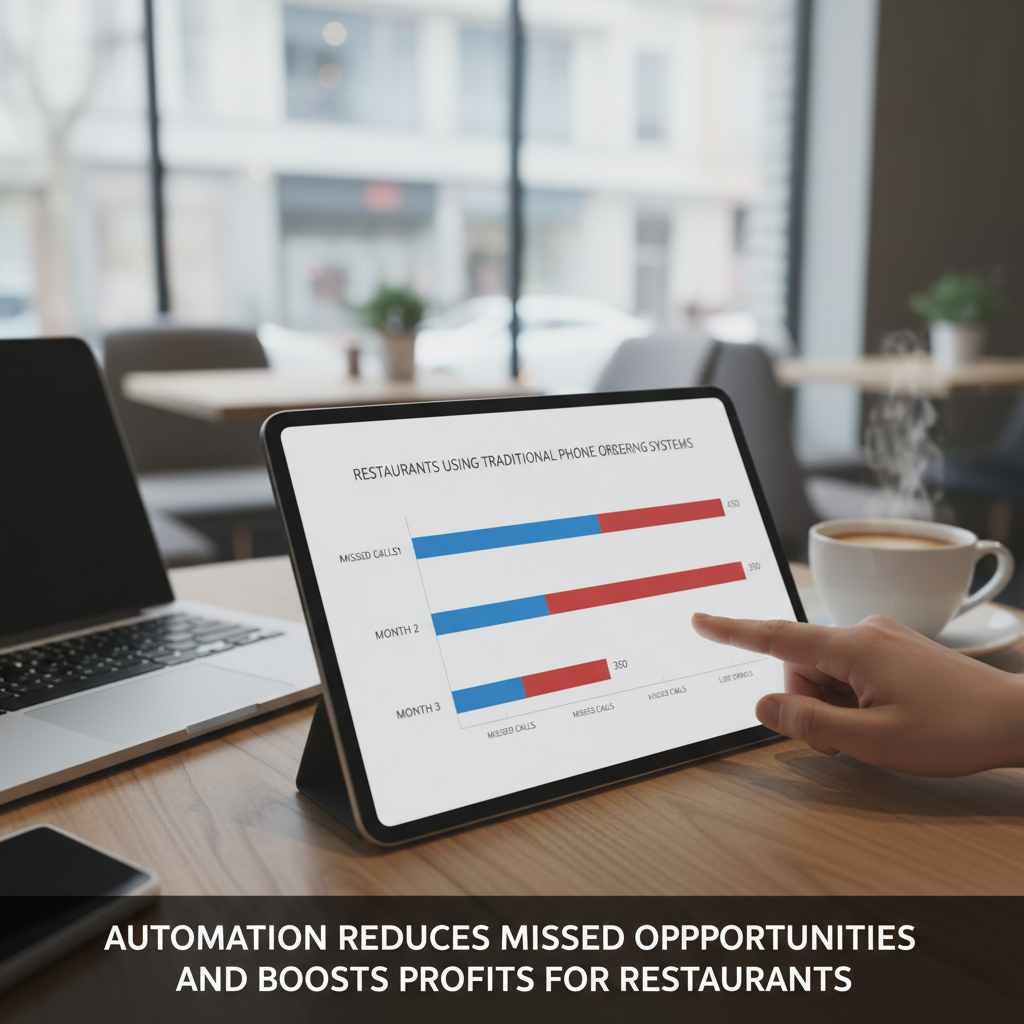
Automated phone ordering systems offer several benefits over traditional methods, including increased efficiency, reduced labor costs, and improved customer satisfaction. With automation, restaurants can process orders faster and more accurately, reducing the likelihood of errors and improving the overall customer experience. Hospitality Net article on automation in restaurants discusses the potential of automation to transform the food service industry.
Benefits of Automation in Restaurant Phone Ordering
The benefits of automation in restaurant phone ordering are numerous. For one, automation reduces labor costs by minimizing the need for human operators. Additionally, automation improves customer satisfaction by providing a faster and more efficient ordering experience. Restaurants can also use automation to gather valuable customer data, which can be used to inform marketing and sales strategies.
StrideQ’s Automated Phone Ordering Solution
StrideQ’s automated phone ordering solution is a game-changer for restaurants. By leveraging AI-powered technology, StrideQ’s solution enables restaurants to process orders faster and more accurately, reducing the likelihood of errors and improving the overall customer experience. Learn more about StrideQ’s AI-powered catering solution and how it can help your restaurant streamline its phone ordering process.
Case Studies and Success Stories
Several restaurants have already seen success with StrideQ’s automated phone ordering solution. For example, one restaurant reported a 25% increase in sales after implementing the solution, while another saw a 30% reduction in labor costs. See what our restaurant partners have to say about StrideQ and how our solution has helped them improve their operations.
Call to Action
Don’t let missed calls and lost revenue hold your restaurant back. Try StrideQ’s automated phone ordering solution today and see the difference for yourself. With its easy-to-use interface and customizable features, StrideQ’s solution is perfect for restaurants of all sizes.
Frequently Asked Questions
Q: What is automated phone ordering and how does it work?
A: Automated phone ordering uses AI-powered technology to process orders over the phone, reducing the need for human operators and improving the overall customer experience.
Q: How can automation improve customer satisfaction in restaurant phone ordering?
A: Automation can improve customer satisfaction by providing a faster and more efficient ordering experience, reducing the likelihood of errors and wait times.
Q: What are the benefits of using StrideQ’s automated phone ordering solution?
A: The benefits of using StrideQ’s automated phone ordering solution include increased efficiency, reduced labor costs, and improved customer satisfaction.
How Automation Can Help Restaurants During Peak Hours
Peak hours can be a challenging time for restaurants, with a high volume of calls and orders to process. Automated phone ordering can help restaurants during these times by providing a faster and more efficient way to process orders. With automation, restaurants can handle a higher volume of calls without sacrificing customer satisfaction.
Statistics on Peak Hour Performance
According to a study by the National Restaurant Association, 60% of restaurants experience an increase in sales during peak hours. However, this increase in sales can also lead to an increase in missed calls and lost revenue. By implementing an automated phone ordering system, restaurants can ensure that every call is answered and every order is processed efficiently, even during peak hours.
Real-World Case Studies of Automation in Restaurant Phone Ordering

Several restaurants have already seen success with automated phone ordering. For example, a restaurant in New York City reported a 30% increase in sales after implementing an automated phone ordering system. Another restaurant in Los Angeles saw a 25% reduction in labor costs after automating their phone ordering process.
Case Study: Automation in a Busy Restaurant
A busy restaurant in Chicago implemented an automated phone ordering system to help manage their high volume of calls. The system was able to process orders faster and more accurately, reducing the likelihood of errors and improving customer satisfaction. As a result, the restaurant saw a 20% increase in sales and a 15% reduction in labor costs.
The Future of Restaurant Phone Ordering: Trends and Predictions
The future of restaurant phone ordering is likely to be shaped by technological advancements and changing consumer preferences. One trend that is expected to continue is the use of automation and AI-powered technology to improve the customer experience. Another trend is the increasing use of mobile devices and online ordering platforms.
Predictions for the Future of Restaurant Phone Ordering
According to a report by Hospitality Net, 70% of restaurants are expected to adopt automated phone ordering systems within the next two years. Additionally, the report predicts that the use of AI-powered technology will become more prevalent in the restaurant industry, with 60% of restaurants expected to use AI-powered chatbots and virtual assistants.
Common Objections to Automation in Restaurant Phone Ordering
Some restaurants may be hesitant to adopt automated phone ordering due to concerns about the cost and complexity of the technology. However, these concerns can be addressed by implementing a phased rollout and providing training and support to staff.
Addressing Concerns About Cost and Complexity
The cost of implementing an automated phone ordering system can be offset by the increased efficiency and reduced labor costs that it provides. Additionally, many automated phone ordering systems are designed to be user-friendly and easy to implement, with minimal disruption to existing operations.
Best Practices for Implementing Automation in Restaurant Phone Ordering
Implementing automation in restaurant phone ordering requires careful planning and execution. Some best practices to consider include providing training and support to staff, monitoring and evaluating the performance of the automated system, and making adjustments as needed.
Training and Support for Staff
Providing training and support to staff is crucial to ensuring a smooth transition to an automated phone ordering system. This can include training on how to use the system, as well as support for any technical issues that may arise.
Frequently Asked Questions: Part 2
Q: How do I get started with automated phone ordering?
A: Getting started with automated phone ordering is easy. Simply contact a reputable provider of automated phone ordering systems, such as StrideQ, to learn more about their solution and how it can help your restaurant.
Q: What are the costs associated with automated phone ordering?
A: The costs associated with automated phone ordering vary depending on the provider and the specific solution. However, many automated phone ordering systems are designed to be cost-effective and can help restaurants reduce labor costs and increase efficiency.
Q: How can I measure the success of my automated phone ordering system?
A: Measuring the success of an automated phone ordering system can be done by tracking key metrics such as sales, customer satisfaction, and labor costs. By monitoring these metrics, restaurants can see the impact of automation on their business and make adjustments as needed.
Benefits of Automation for Small Restaurants
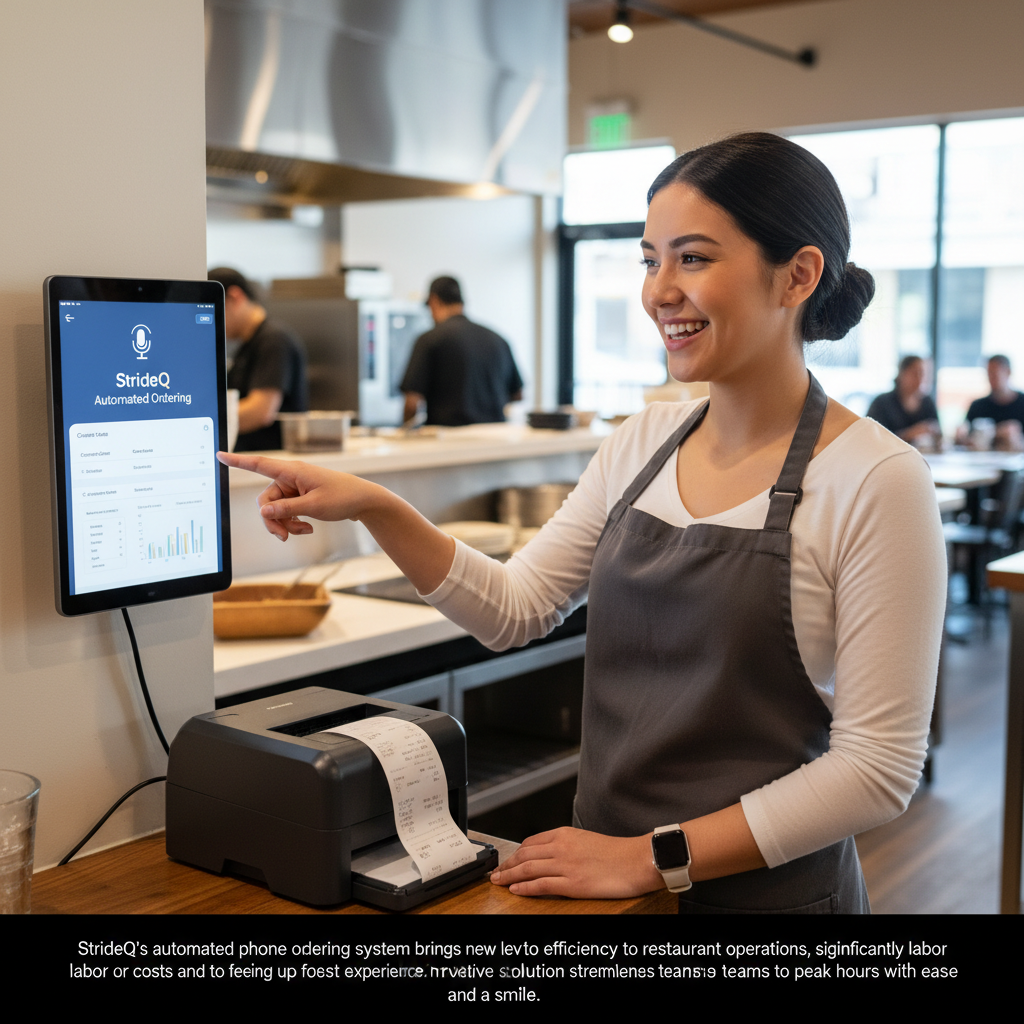
Automation can be particularly beneficial for small restaurants, which often have limited staff and resources. By implementing an automated phone ordering system, small restaurants can reduce labor costs and improve customer satisfaction, allowing them to compete more effectively with larger establishments.
Case Study: Automation in a Small Restaurant
A small restaurant in a rural town implemented an automated phone ordering system to help manage their phone orders. The system was able to process orders faster and more accurately, reducing the likelihood of errors and improving customer satisfaction. As a result, the restaurant saw a 15% increase in sales and a 10% reduction in labor costs.
Benefits of Automation for Large Restaurants
Automation can also be beneficial for large restaurants, which often have to manage a high volume of calls and orders. By implementing an automated phone ordering system, large restaurants can improve customer satisfaction and reduce labor costs, allowing them to increase efficiency and productivity.
Case Study: Automation in a Large Restaurant
A large restaurant in a major city implemented an automated phone ordering system to help manage their phone orders. The system was able to process orders faster and more accurately, reducing the likelihood of errors and improving customer satisfaction. As a result, the restaurant saw a 20% increase in sales and a 15% reduction in labor costs.
Measuring the Success of Automation in Restaurant Phone Ordering
Measuring the success of automation in restaurant phone ordering is crucial to understanding its impact on the business. Some key metrics to track include sales, customer satisfaction, and labor costs. By monitoring these metrics, restaurants can see the impact of automation on their business and make adjustments as needed.
Tracking Key Metrics
Some key metrics to track when measuring the success of automation in restaurant phone ordering include:
- Sales: Track the increase in sales after implementing automation.
- Customer satisfaction: Track customer satisfaction through surveys and feedback.
- Labor costs: Track the reduction in labor costs after implementing automation.
Common Mistakes to Avoid When Implementing Automation in Restaurant Phone Ordering
When implementing automation in restaurant phone ordering, there are several common mistakes to avoid. These include:
- Not providing adequate training and support to staff.
- Not monitoring and evaluating the performance of the automated system.
- Not making adjustments as needed to the automated system.
Best Practices for Avoiding Common Mistakes
Some best practices for avoiding common mistakes when implementing automation in restaurant phone ordering include:
- Providing adequate training and support to staff.
- Monitoring and evaluating the performance of the automated system.
- Making adjustments as needed to the automated system.
Future of Automation in Restaurant Phone Ordering
The future of automation in restaurant phone ordering is likely to be shaped by technological advancements and changing consumer preferences. Some trends that are expected to continue include the use of AI-powered technology and the increasing use of mobile devices and online ordering platforms.
Predictions for the Future of Automation in Restaurant Phone Ordering
According to a report by Hospitality Net, 80% of restaurants are expected to adopt automated phone ordering systems within the next three years. Additionally, the report predicts that the use of AI-powered technology will become more prevalent in the restaurant industry, with 70% of restaurants expected to use AI-powered chatbots and virtual assistants.