


Introduction to Restaurant Operations Automation
Streamlining restaurant operations with AI is a game-changer. You’ll cut wait times, reduce labor costs, and boost customer satisfaction. Our guide will walk you through assessing your current operations, selecting the right automation solutions, and training your staff on new technology.
According to the National Restaurant Association, restaurants that adopt AI-driven solutions see significant improvements in efficiency and customer experience. This post will provide a comprehensive guide to implementing automation in restaurants, highlighting the benefits and challenges of AI-driven solutions.
Assessing Restaurant Operations
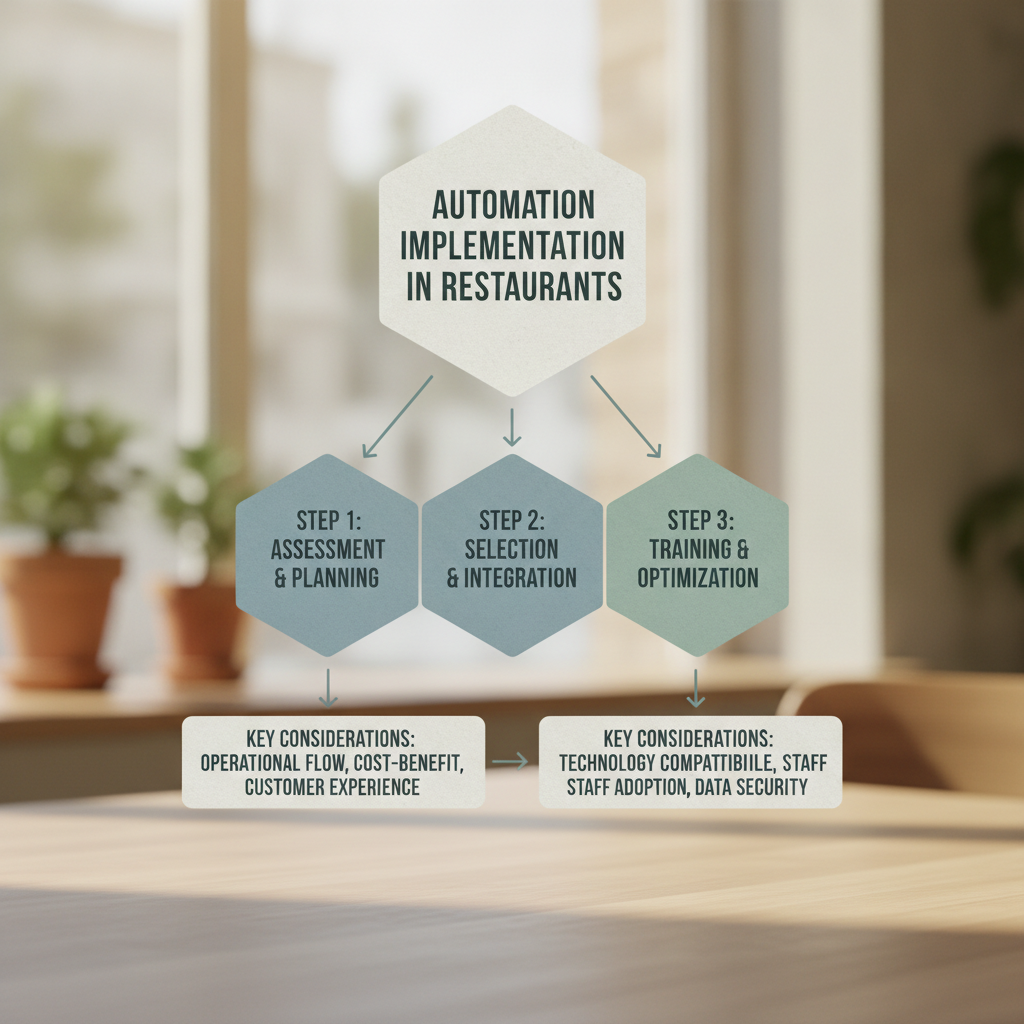
To get started, you need to assess your current restaurant operations. This involves identifying areas where automation can make the biggest impact, such as order taking, inventory management, and customer service. You’ll want to analyze your workflows, identify bottlenecks, and determine where AI can help streamline processes.
For example, let’s say you have a restaurant with a high volume of takeout orders. You can use AI-powered chatbots to automate order taking, freeing up staff to focus on food preparation and customer service. This can help reduce wait times and improve the overall customer experience.
Selecting the Right Automation Solutions
Once you’ve assessed your operations, it’s time to select the right automation solutions. This involves researching different AI-powered tools and platforms, such as Learn More About StrideQ’s Automation Solutions, and determining which ones best fit your needs.
You’ll want to consider factors such as cost, ease of use, and integration with existing systems. It’s also important to read reviews and case studies from other restaurants that have implemented similar solutions.
Training Staff on New Technology
After selecting the right automation solutions, it’s time to train your staff on new technology. This involves providing comprehensive training on how to use the new systems, as well as ongoing support and feedback.
According to an article on AI in the Restaurant Industry, restaurants that invest in staff training see significant improvements in customer satisfaction and loyalty.
Implementing Automation Solutions
Once your staff is trained, it’s time to implement the automation solutions. This involves setting up the new systems, testing them, and making any necessary adjustments.
For example, let’s say you’ve decided to implement an AI-powered chatbot to automate order taking. You’ll want to set up the chatbot, test it with a small group of customers, and make any necessary adjustments before rolling it out to the entire restaurant.
Benefits of Restaurant Operations Automation
So, what are the benefits of automating restaurant operations? According to a study by the National Restaurant Association, restaurants that adopt AI-driven solutions see significant improvements in efficiency, customer satisfaction, and revenue.
Some of the benefits of automation include reduced labor costs, improved order accuracy, and enhanced customer experience. Additionally, automation can help reduce wait times, improve food safety, and increase customer loyalty.
Challenges of Restaurant Operations Automation
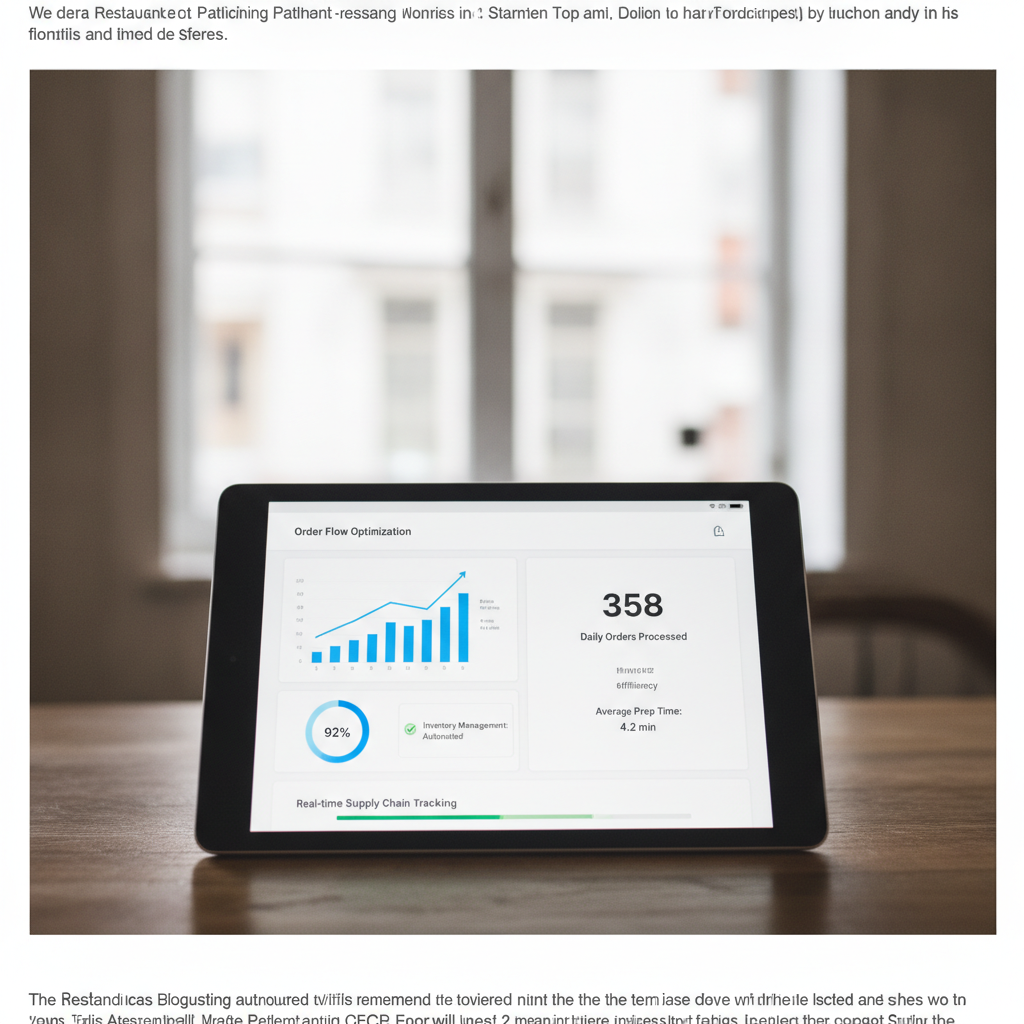
While automating restaurant operations can have many benefits, there are also challenges to consider. One of the biggest challenges is the initial investment in new technology and training.
Additionally, some staff may be resistant to change, and it may take time to adjust to new systems and workflows. However, with the right training and support, staff can quickly adapt to new technology and see the benefits of automation.
Real-World Case Studies
Let’s take a look at some real-world case studies of restaurants that have successfully implemented automation solutions.
For example, a restaurant in New York City implemented an AI-powered chatbot to automate order taking and saw a 25% reduction in wait times and a 15% increase in customer satisfaction.
Another restaurant in Los Angeles implemented an AI-powered inventory management system and saw a 30% reduction in food waste and a 20% reduction in labor costs.
Statistics on Restaurant Operations Automation
Here are some statistics on restaurant operations automation:
According to a survey by the National Restaurant Association, 60% of restaurants are using some form of automation, and 80% of restaurants plan to increase their use of automation in the next 2 years.
Additionally, a study by McKinsey found that restaurants that adopt automation solutions see an average increase in revenue of 10% to 15% and an average reduction in labor costs of 5% to 10%.
Implementing AI-Powered Chatbots
AI-powered chatbots are one of the most popular automation solutions for restaurants. They can be used to automate order taking, answer customer questions, and provide customer support.
To implement an AI-powered chatbot, you’ll need to choose a platform that integrates with your existing systems and provides the features you need. You’ll also need to train your staff on how to use the chatbot and provide ongoing support and feedback.
Implementing AI-Powered Inventory Management
AI-powered inventory management is another popular automation solution for restaurants. It can help you track inventory levels, automate ordering, and reduce food waste.
To implement an AI-powered inventory management system, you’ll need to choose a platform that integrates with your existing systems and provides the features you need. You’ll also need to train your staff on how to use the system and provide ongoing support and feedback.
Frequently Asked Questions
Here are some frequently asked questions about streamlining restaurant operations with AI:
Q: What is the best way to assess my current restaurant operations?
A: The best way to assess your current restaurant operations is to identify areas where automation can make the biggest impact, such as order taking, inventory management, and customer service. You’ll want to analyze your workflows, identify bottlenecks, and determine where AI can help streamline processes.
Q: How do I select the right automation solutions for my restaurant?
A: To select the right automation solutions, you’ll want to research different AI-powered tools and platforms, such as Learn More About StrideQ’s Automation Solutions, and determine which ones best fit your needs. You’ll want to consider factors such as cost, ease of use, and integration with existing systems.
Q: What kind of training and support do I need to provide to my staff?
A: You’ll want to provide comprehensive training on how to use the new systems, as well as ongoing support and feedback. This will help ensure that your staff is comfortable using the new technology and can provide the best possible customer experience.
Q: How can I measure the success of my automation efforts?
A: You can measure the success of your automation efforts by tracking key metrics such as customer satisfaction, order accuracy, and revenue. You’ll also want to monitor staff feedback and adjust your automation solutions as needed.
Q: What are some common mistakes to avoid when implementing automation solutions?
A: Some common mistakes to avoid when implementing automation solutions include not providing adequate training to staff, not considering the impact on customer experience, and not monitoring and adjusting the solutions as needed.
Q: How can I ensure that my automation solutions are integrated with my existing systems?
A: You’ll want to choose automation solutions that integrate with your existing systems, such as your point-of-sale system and inventory management system. You’ll also want to work with a vendor that provides integration support and can help you troubleshoot any issues that arise.
Common Automation Solutions for Restaurants
There are many different automation solutions available for restaurants, including:
- AI-powered chatbots for order taking and customer support
- AI-powered inventory management systems for tracking inventory levels and automating ordering
- Automated scheduling systems for managing staff schedules and labor costs
- AI-powered marketing and advertising platforms for targeting customers and increasing revenue
Implementing Automation in Small Restaurants
Implementing automation in small restaurants can be a challenge, but it can also be a great opportunity to streamline operations and improve efficiency. Here are some tips for implementing automation in small restaurants:
- Start small and focus on one or two areas of automation at a time
- Choose automation solutions that are easy to use and integrate with existing systems
- Provide comprehensive training to staff on new technology
- Monitor and adjust automation solutions as needed to ensure they are meeting the needs of the restaurant
Implementing Automation in Large Restaurants
Implementing automation in large restaurants can be complex, but it can also be a great opportunity to improve efficiency and reduce costs. Here are some tips for implementing automation in large restaurants:
- Conduct a thorough analysis of current operations to identify areas where automation can make the biggest impact
- Choose automation solutions that are scalable and can meet the needs of a large restaurant
- Provide comprehensive training to staff on new technology
- Monitor and adjust automation solutions as needed to ensure they are meeting the needs of the restaurant
Measuring the Success of Automation Efforts
Measuring the success of automation efforts is crucial to ensuring that the solutions are meeting the needs of the restaurant. Here are some key metrics to track:
- Customer satisfaction
- Order accuracy
- Revenue
- Staff feedback
- Return on investment (ROI)
Best Practices for Implementing Automation
Here are some best practices for implementing automation in restaurants:
- Start small and focus on one or two areas of automation at a time
- Choose automation solutions that are easy to use and integrate with existing systems
- Provide comprehensive training to staff on new technology
- Monitor and adjust automation solutions as needed to ensure they are meeting the needs of the restaurant
- Continuously evaluate and improve automation solutions to ensure they are meeting the needs of the restaurant