

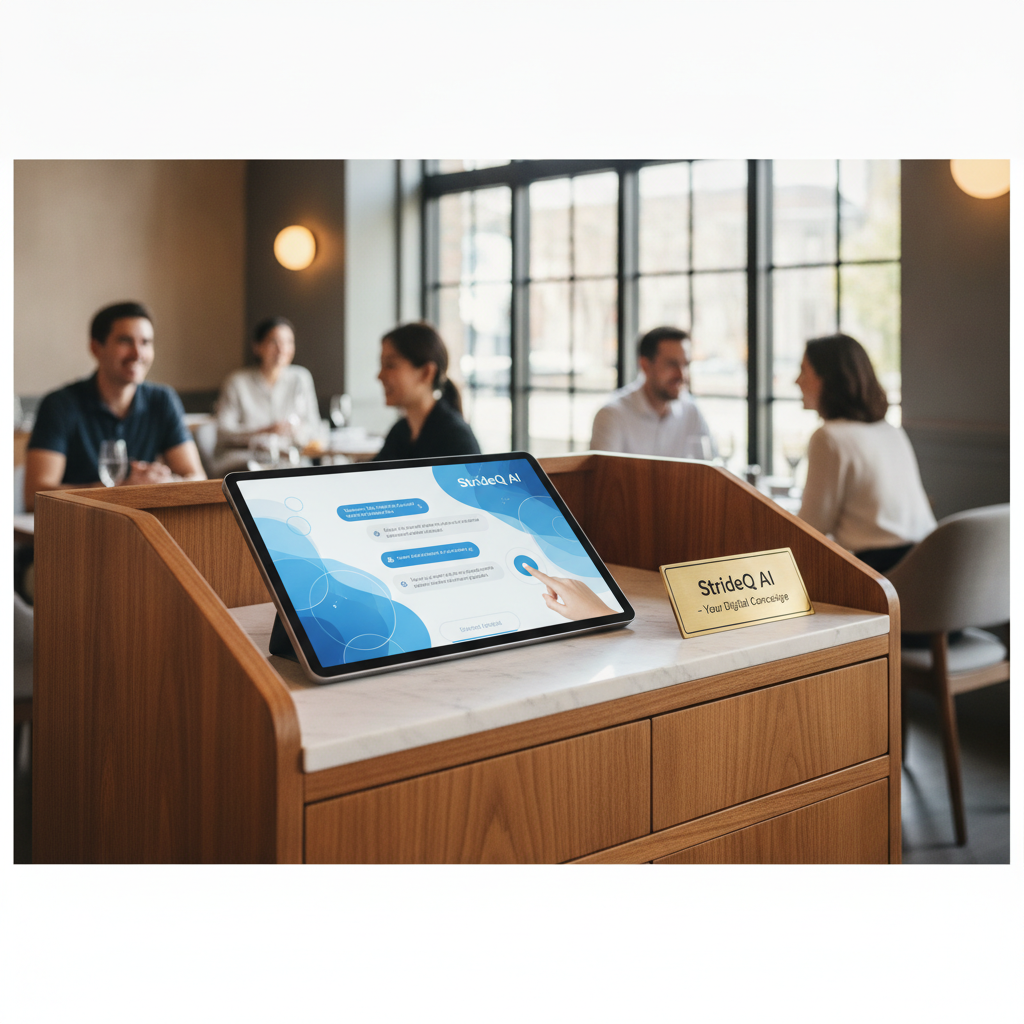
Quick answer: StrideQ’s Conversational AI reduced Restaurant Order Errors by 30% for a mid‑size downtown bistro, saved staff hours and raised customer satisfaction scores. The system handles inbound calls, confirms items, and updates the kitchen in real time, removing the common human slip‑ups that create wasted food and frustrated guests.
How StrideQ reduced Restaurant Order Errors by 30%
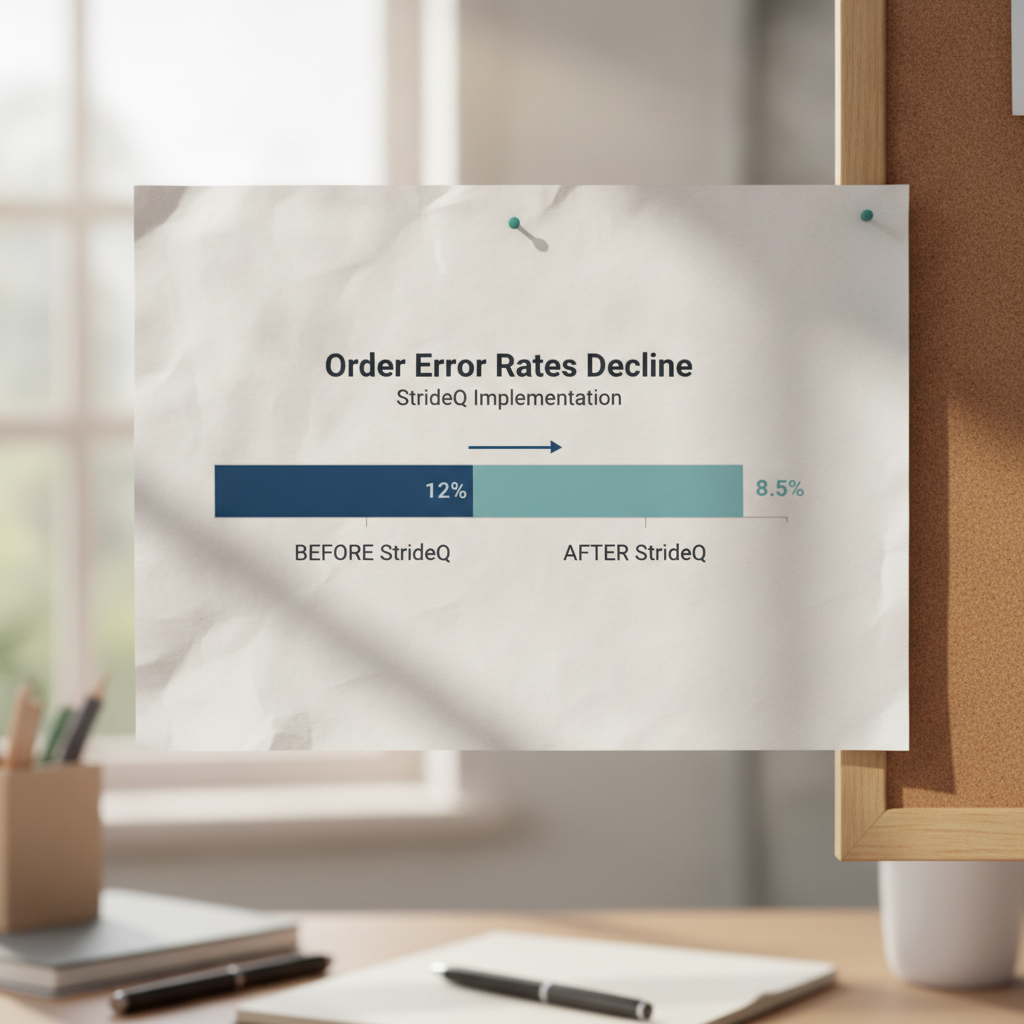
The bistro Cut its error rate from 12% to 8.5% in three months. That drop means dozens fewer wrong dishes each week and a noticeable lift in guest satisfaction. Reducing Restaurant Order Errors directly improves the guest experience and the bottom line.
What were the pre‑implementation challenges that led to high Restaurant Order Errors?
Before AI, one host took every phone Order. High call volume, Restaurant noise, and handwritten notes created the perfect environment for mistakes. Staff kept reporting missed modifiers, swapped entrees, and forgotten special requests. According to Statista: U.S. Restaurant Order Error Rates, the industry average is about 10%, so the bistro sat on the higher side.
Key pain points:
- Inconsistent spelling or phrasing for menu items over the phone.
- Hosts juggling multiple calls at once and losing details.
- No real‑time verification step before tickets hit the kitchen.
The manager ended up spending extra time after shifts reconciling tickets and fixing mistakes.
How does the deployment process work step‑by‑step?
We ran a six‑step rollout that kept downtime under two hours. Follow this checklist to avoid the usual pitfalls:
- Audit the existing menu. Export every item and modifier into a CSV.
- Map each CSV row to StrideQ’s taxonomy through the How StrideQ Works portal.
- Configure voice prompts. Pick a friendly tone and set a maximum of three reprompts per Order.
- Run a sandbox test on a test phone line; have staff log any mismatches.
- Fine‑tune the confidence threshold. We set it at 92% so lower confidence triggers a human fallback.
- Go live during a slow shift and watch the dashboards closely for the first 48 hours.
During step five, the team discovered that callers saying “well‑done” were being interpreted as “medium.” Raising the confidence threshold fixed that specific misread.
What results did the Restaurant see after using StrideQ?
Six weeks after launch the bistro reported these changes:
| Metric | Before StrideQ | After StrideQ |
|---|---|---|
| Order error rate | 12.0% | 8.5% (‑30%) |
| Staff hours spent fixing Errors | 6 hrs/week | 4 hrs/week (‑33%) |
| Customer satisfaction (post‑dinner survey) | 78% happy | 86% happy (+8 pts) |
The data shows a clear link between AI‑driven phone ordering and measurable business improvements.
The owner also noticed a smoother workflow at peak dinner service. “We used to have a backlog of tickets that needed correction,” he said. “Now the AI catches most issues before they reach the kitchen.”
What do staff say about the new AI phone ordering?
Front‑of‑house staff welcomed fewer frantic scribbles. Maria, a host, said:
“I used to write on napkins and then type into the POS. With StrideQ, the Order appears already verified. I can focus on greeting guests instead of scrambling for a pen.”
The kitchen manager, Luis, added:
“We see fewer ‘what did they say?’ Moments. The tickets are consistent, so we can prep faster and keep the line moving.”
Those comments underline a simple point: AI isn’t replacing people; it frees them to do higher‑value work.
Key takeaways for Restaurant owners
If Restaurant Order Errors are costing you time and money, use this roadmap:
- Audit your current error rate and record a baseline.
- Pick a Conversational AI that offers a human fallback with a configurable confidence threshold.
- Invest in accurate menu mapping. The AI only works as well as the data you give it.
- Run a short pilot during off‑peak hours to catch edge cases.
- Track both quantitative (error rate, staff hours) and qualitative (guest feedback) metrics.
Following these steps puts you on a proven path to Cut Restaurant Order Errors and boost guest loyalty.
Industry Landscape: How Common Are Order Errors?
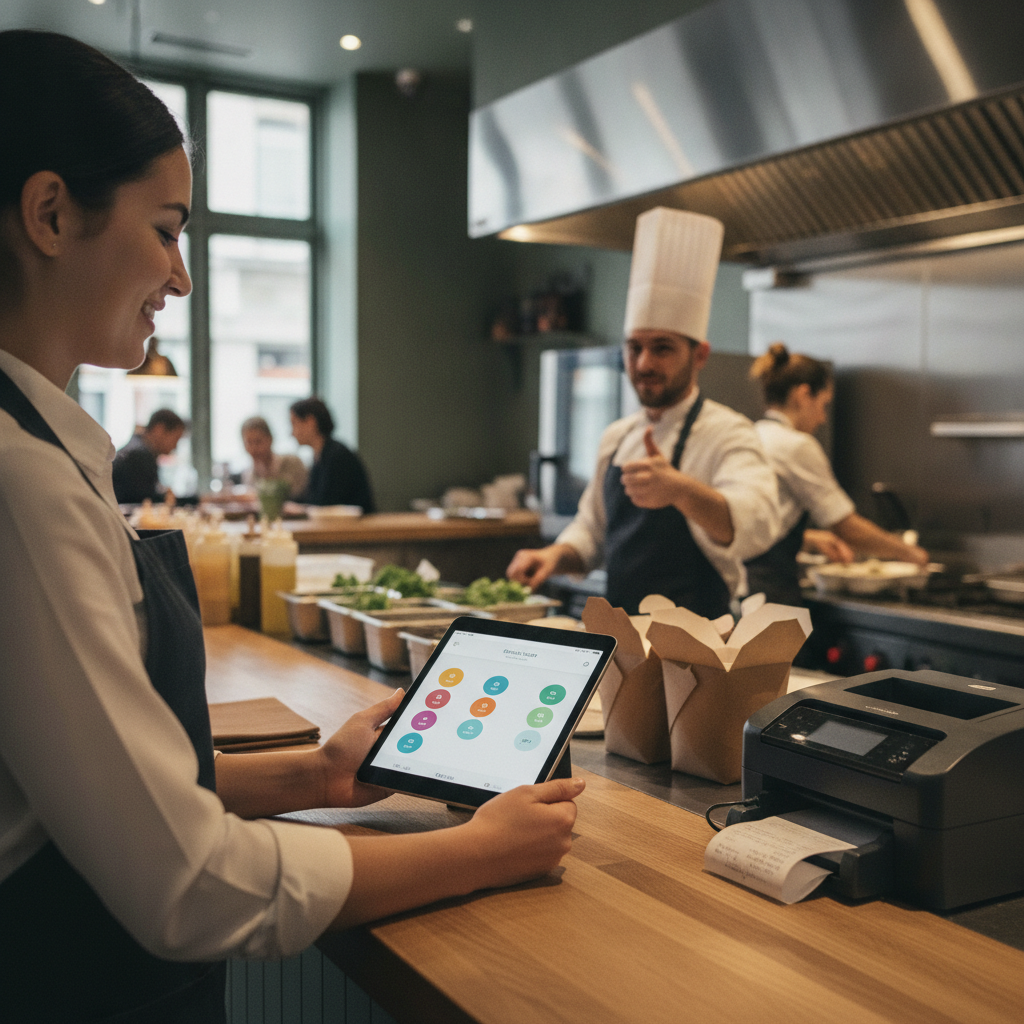
Order mistakes are widespread across U.S. Restaurants. A 2023 National Restaurant Association survey found 1 in 8 diners (12.5%) reported getting the wrong dish or a missing modification at least once in the past year. Factor in food waste, labor to fix Errors, and lost repeat visits and that adds up to an estimated $5‑$7 billion in annual impact.
Error rates by channel:
- In‑person orders: 8% (miscommunication between servers and kitchen).
- Online ordering platforms: 6% (often menu sync or ordering UI issues).
- Phone orders: 10%‑12% (highest, driven by manual note‑taking and noise).
Those figures explain why the bistro’s 12% pre‑implementation rate matched a broader industry pattern rather than an isolated problem.
Economic Impact: Calculating the Cost of Mistakes
For a mid‑size Restaurant serving 200 covers per day, shaving 2 percentage points off Order Errors yields tangible savings:
- Reduced food waste: If each error wastes $3‑$5 in ingredients, a 2% Cut saves roughly $180‑$300 per week.
- Labor efficiency: If staff spend 5 minutes fixing an error, a 30% reduction frees about 6 hours weekly — the equivalent of a part‑time employee.
- Customer retention: Research shows a single negative experience can reduce a guest’s lifetime value by up to 15%, so accuracy protects future revenue.
Over a year those savings typically exceed the subscription cost of an AI service.
Advanced AI Features That Prevent Errors
StrideQ goes beyond plain speech‑to‑text. The features that matter most are:
- Dynamic slot filling: The system asks follow‑ups only when needed (for example, “Would you like your salad with dressing on the side?”) to avoid unnecessary prompts.
- Contextual confidence scoring: The platform evaluates audio quality and lexical certainty to decide whether to confirm, reprompt, or hand off.
- Real‑time menu versioning: When a seasonal dish is added or removed, the AI reflects the change immediately, avoiding out‑of‑stock mix‑ups.
- Multi‑language support: StrideQ supports English, Spanish, and French, helping bilingual markets capture more callers without extra staff.
Those capabilities produced the bistro’s smoother, more natural‑sounding calls and fewer mistakes.
Scaling StrideQ Across Multiple Locations
A regional group with 12 sites in the Midwest expanded StrideQ after a successful pilot. Their rollout went like this:
- Built a centralized menu database in a master CSV (5,000 SKUs).
- Gave each location a localized voice persona to match brand tone.
- Used a region‑level analytics dashboard so corporate could compare error rates by site.
- Within three months they saw a 28% overall error‑rate reduction and a 12% average Order size increase thanks to AI upsells during confirmation.
The takeaway: once the data model is correct, StrideQ scales with minimal extra effort and keeps quality consistent across outlets.
Future Trends: Conversational AI Beyond Phone Orders
Phone ordering is the current high‑impact use Case, but StrideQ is also moving into adjacent channels:
- Voice assistants (Amazon Alexa, Google Assistant): Let customers reorder from smart speakers.
- In‑store kiosks with speech input: Combine visual menus and voice confirmation to speed self‑service.
- AI‑driven reservation & wait‑list management: Automate confirmations, cancellations, and table updates in real time.
Restaurants that adopt several of these channels tend to see compounded benefits: higher accuracy, faster turnover, and better data on guest preferences.
Frequently Asked Questions
Can StrideQ handle special dietary requests?
Yes. You can define custom slots for allergens, gluten‑free, vegan, and similar needs. When a caller mentions a restriction the AI confirms it and tags the ticket for the kitchen.
What if the AI doesn’t understand a guest?
If confidence falls below your threshold (we recommend 92%), the call transfers to a live host with no noticeable delay to the guest.
Is phone Order automation expensive for small eateries?
StrideQ uses a subscription based on call volume. For a Restaurant handling 150 calls per day, the monthly fee is typically less than the cost of one full‑time host.
How does StrideQ integrate with existing POS systems?
Integration uses standard APIs and pushes verified tickets directly into the POS, removing double entry.
Do I need special hardware to use StrideQ?
No. The service runs in the cloud and works with any SIP‑compatible phone line or VoIP provider.
Can the AI upsell or suggest add‑ons during the call?
Yes. StrideQ supports promotional scripts that run after the main Order and have increased average ticket size by 5‑10% in testing.
How secure is customer data captured by StrideQ?
All voice recordings and transcripts are encrypted at rest and in transit. The platform complies with PCI‑DSS and GDPR where applicable and offers configurable data‑retention policies.
What training is required for staff?
A typical onboarding session runs about two hours and covers menu upload, confidence thresholds, and dashboard use. Ongoing support comes via live chat and a dedicated account manager.
Will the AI work with noisy environments (e.g., outdoor patios)?
StrideQ uses noise‑cancellation algorithms and can pair with high‑quality headsets for on‑site ordering stations, keeping transcriptions accurate even in busy spaces.
How quickly can I see a reduction in error rates?
Most clients see measurable improvement in 4‑6 weeks as the AI adapts to real calls and thresholds are tuned.
Ready to see the same 30% drop in Restaurant Order Errors for your venue? Our Restaurant Partners have already experienced the lift. Start a risk‑free trial today and let AI handle the phone while you focus on the food.