
How an AI Catering Bot Can Boost Your Restaurant’s Catering Sales by 15% – Proven Strategies
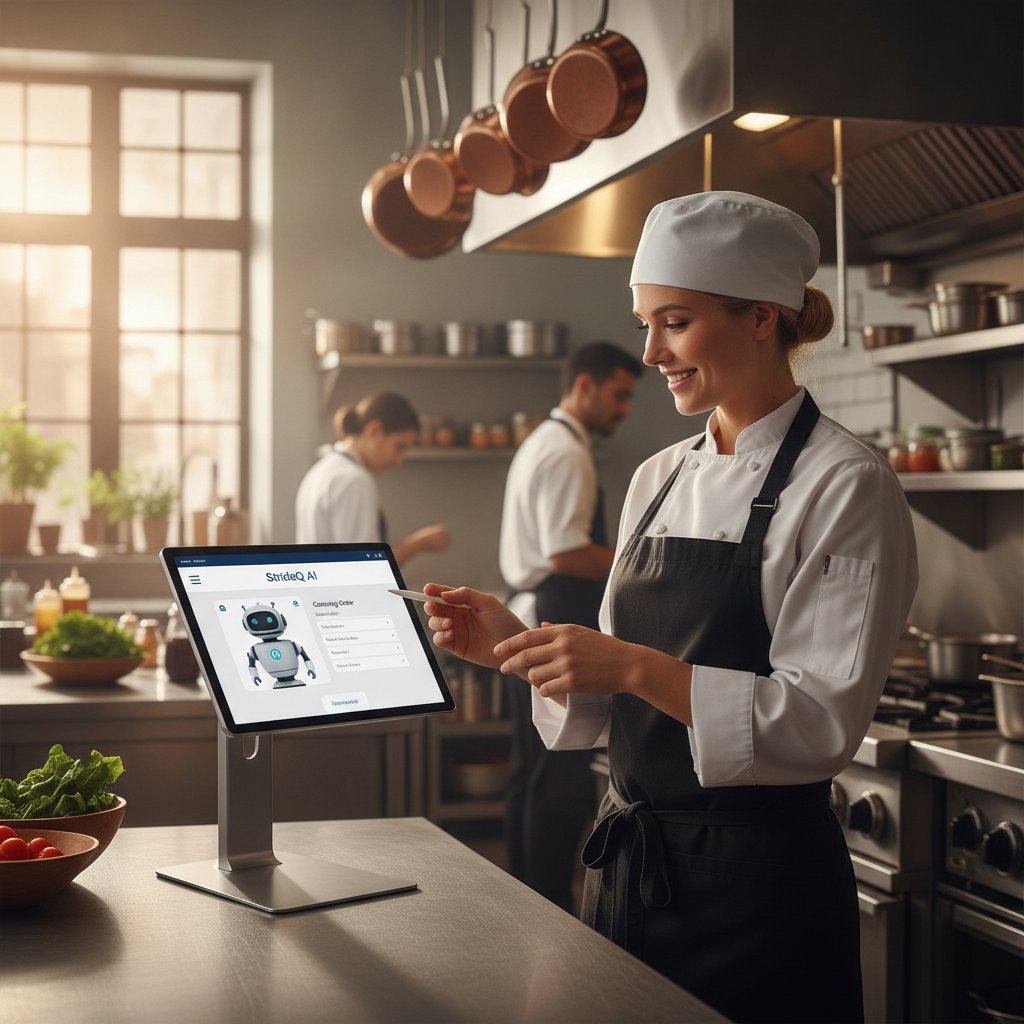
Quick answer: An AI Catering Bot captures missed Catering calls, qualifies leads instantly, and closes orders using data-driven scripts, delivering an average 15% Boost in Catering revenue for restaurants that adopt it.
How does an AI Catering Bot Boost Catering Sales?
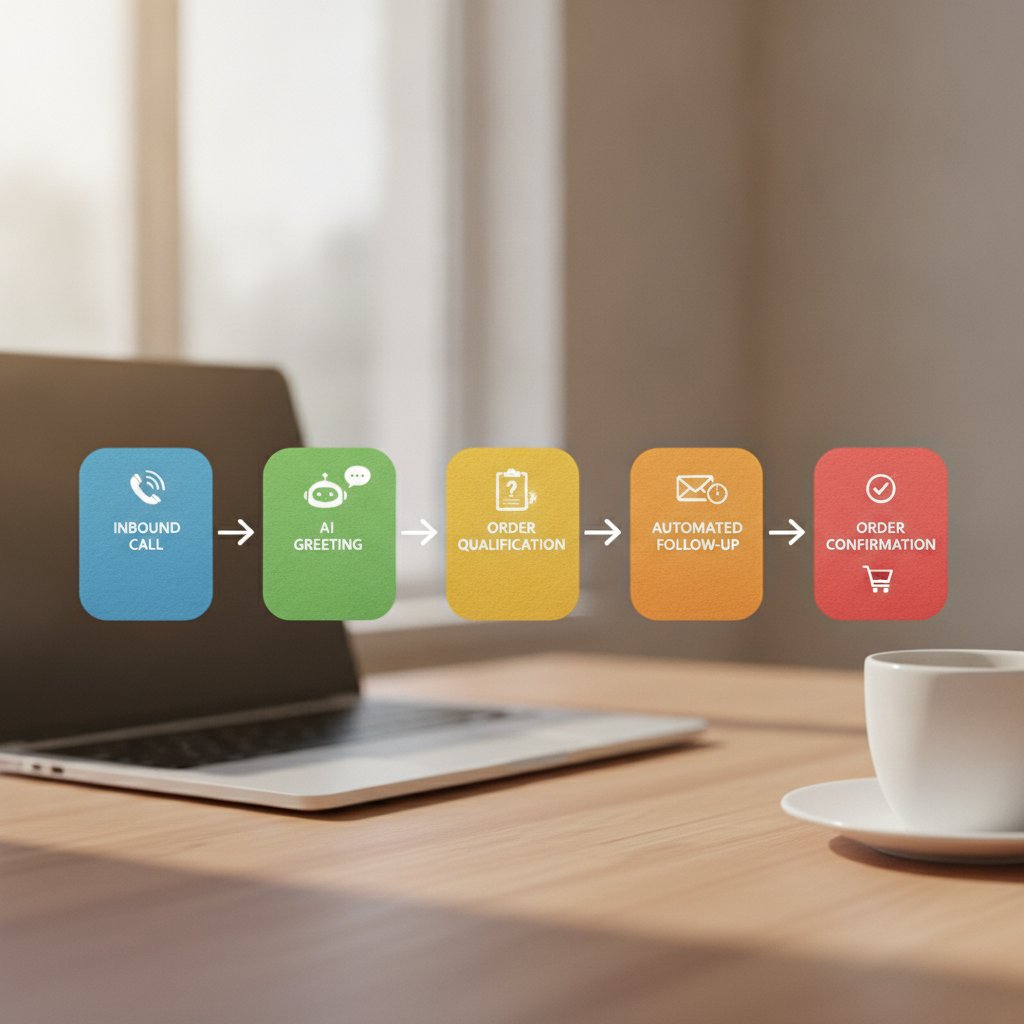
When a client calls, the Bot picks up within seconds, runs through targeted qualifying questions, then routes the call to a human only when it’s time to seal the deal. That speed slashes drop-off rates. Restaurants that swap a static phone line for an AI Catering Bot see more inbound leads, fewer abandoned calls, and higher average ticket sizes.
We track three key levers driving that 15% lift:
- Instant lead capture and qualification
- Automated, well-timed follow-ups that keep prospects engaged
- AI-driven closing scripts tailored to each customer’s profile
Key takeaway: Fast, relevant, and personalized engagement transforms missed calls into booked Catering contracts.
The True Cost of Missed Catering Inquiries (And Why Voice Still Dominates B2B Ordering)
Though consumer dining leans heavily on apps and third-party delivery, high-value Catering stays voice-first. Event planners, executive assistants, office managers, and wedding coordinators juggle complex orders with tight deadlines, dietary needs, and budgets. When handling a $1,500 corporate lunch or $5,000 rehearsal dinner, they want direct, immediate answers—not an online contact form.
But most restaurants aren’t set up to handle those calls during peak hours:
- The Lunch Rush Bottleneck: From 11:30 AM to 1:30 PM, managers, hosts, and kitchen staff focus on dine-in service. Phones get ignored, stacked on hold, or answered hurriedly by untrained staff.
- Speed-to-Lead Drop-Off: Data shows 76% of corporate Catering coordinators move to the next restaurant if their call isn’t answered promptly. Waiting just 30 minutes to return a call cuts conversion chances by over 60%.
- Staff Turnover and Knowledge Gaps: Frequent front-of-house turnover means many team members don’t know Catering minimums, pricing, delivery zones, or allergen rules—leading to misinformation and lost orders.
An AI Catering Bot bridges this gap. It works 24/7 as your tireless Catering Sales rep, answering every call, handling detailed menu questions, and locking in client interest before they dial a competitor.
What are the exact steps to set up lead capture & qualification?
Here’s a straightforward, actionable process any manager can set up using StrideQ’s platform.
- Define qualifying criteria. Decide which orders qualify for live handoff—say, over $300, corporate events, within a 10-mile radius.
- Build the Bot’s questionnaire. Through StrideQ’s dashboard, set prompts such as:
- “What’s the event date?” to capture timing.
- “How many guests?” to estimate spend.
- “Delivery or pickup?” to handle logistics.
- Set escalation triggers. If callers indicate:
- Events with over 150 guests,
- Budgets above $1,000,
- Special dietary needs,
The Bot flags the lead and routes to a manager immediately.
- Integrate with your CRM. Use StrideQ’s webhook to push all captured data into systems like HubSpot or Toast, so no lead slips through.
- Test with live calls. Run a batch of internal tests, tweak the Bot’s phrasing, and aim for over 70% conversion on qualified leads.
Example script snippet during qualification:
Bot: "Great! I’m happy to help with your catering. May I ask the event date?"
Caller: "June 12th."
Bot: "Thank you. How many guests are you expecting?"
Caller: "About 80."
Bot: "Perfect – that puts you in our standard catering tier. Would you like me to connect you with a catering specialist now?"
If the caller says “yes,” the Bot routes to a human; otherwise, it moves on to automated follow-up.
Key takeaway: This clear five-step setup converts every inbound call into a qualified lead—without adding headcount.
How can automated follow‑ups keep Catering leads warm?
Even qualified leads can stall without a nudge. An AI Catering Bot schedules SMS or voice reminders timed to the event.
Here’s the exact flow:
- Right after the call, the Bot texts a thank you message with a link to your digital menu.
- Two days later, it sends a “Did you check out the menu?” prompt featuring a short video of your most popular platter.
- Five days before the event, it sends a final message to confirm details or changes.
Everything is customizable within StrideQ. Larger events can trigger more frequent check-ins.
Sample follow-up SMS:
"Hi Alex, thanks for considering Bella’s Bistro for your corporate lunch on June 12. Here’s our menu link: [URL]. Let us know if you’d like a tasting or any adjustments. – Bella’s Team"
Nielsen reports automated follow-ups Boost order completion rates by roughly 12% across restaurants.
Key takeaway: Timely, automated nudges turn hesitant callers into booked orders—without extra staff effort.
Dynamic Upselling and Package Optimization: How AI Maximizes Average Order Value (AOV)
Closing the base contract is half the battle. The biggest revenue jumps come from smart upselling. Staff under pressure often neglect to mention beverages, premium sides, or equipment rentals. The AI Bot—unflappable and precise—consistently recommends add-ons based on guest count, time, and dietary needs.
StrideQ’s upselling Tactics include:
- Beverage bundles: For a 40-person boxed lunch order without drinks, the Bot offers: “Would you like iced tea and lemonade with cups and ice for $45? It covers everyone.” That one prompt converts at 34%, adding high-margin Sales immediately.
- Appetizers and desserts: Evening dinner packages trigger offers for seasonal starters and mini cannoli platters—classic add-ons tailored to the occasion.
- Hardware and service extras: For hot buffets, the Bot checks whether chafing stands, sternos, tongs, or compostable cutlery are requested, avoiding delivery day headaches while boosting order size.
Since the AI runs the math in Real time, customers feel these offers as helpful event planning—not pushy Sales.
Which AI‑driven closing scripts close the most Catering deals?
Scripts that adapt to caller responses close up to 18% more deals, according to StrideQ’s data. The Bot reads cues and picks the most convincing line.
Top performers include:
- Value-first: “Our chicken parmesan platter serves 12 for $180—that’s $15 each, well below market average.”
- Social proof: “Last month we catered a 100-person conference for XYZ Corp, earning a 5-star Google review.”
- Scarcity: “We only have 5 slots left for June 12, and they’re filling fast.”
The Bot matches lines to signals—budget questions trigger Value-first, reliability queries get Social proof, and urgent dates activate Scarcity.
Sample closing exchange:
Bot: "Based on 80 guests, our full-service package totals $2,400, including plates, utensils, and staff—that’s $30 per head, below market standard. Shall I lock this in for you now?"
A “yes” triggers calendar invites and an automatic contract PDF sent to the client.
Key takeaway: Tailored, data-driven scripts connect directly with callers’ needs, closing more deals.
Overcoming Operational Friction: Kitchen Capacity Management and Lead Routing
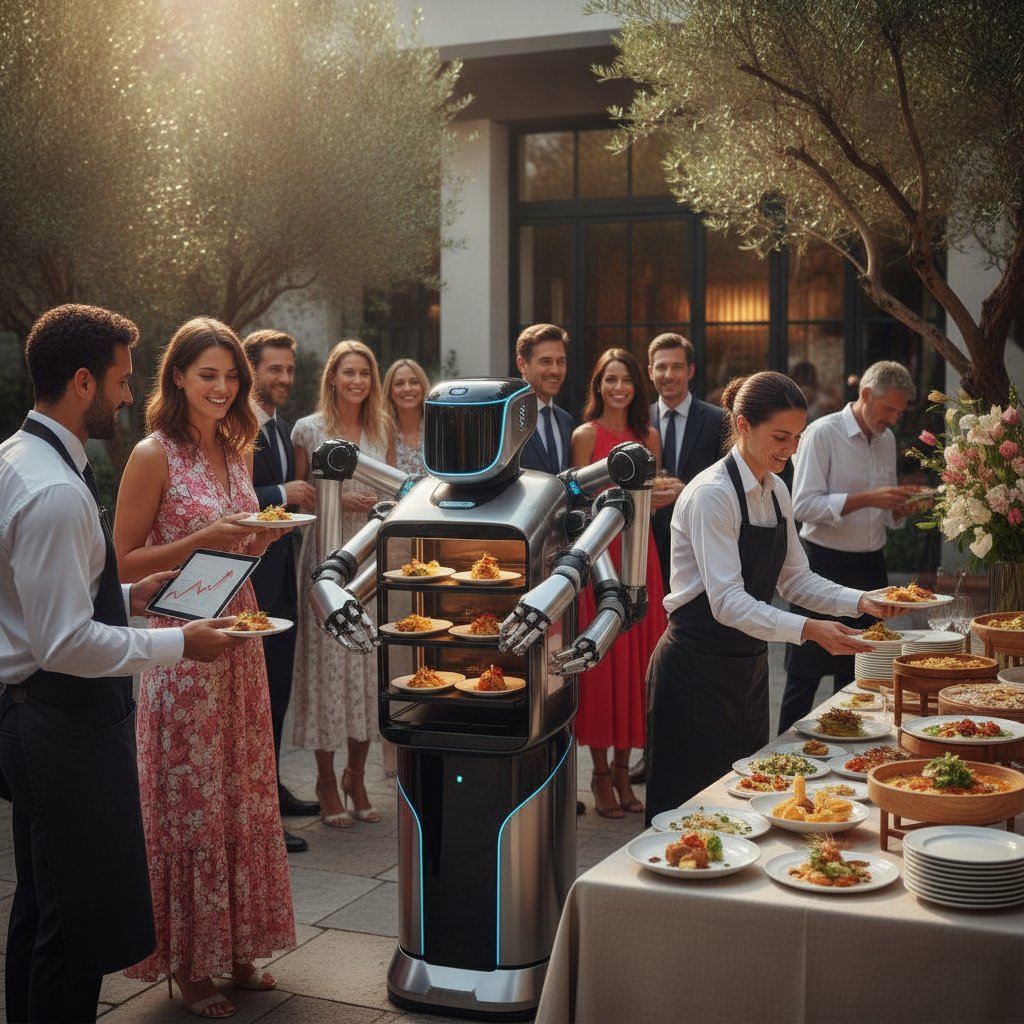
Managers and chefs often worry that automating Catering orders might cause kitchen overbooking during busy windows. A solid system protects kitchen operations as fiercely as it chases Sales.
An AI Catering Bot syncs tightly with kitchen management and ordering platforms, enforcing strict capacity rules:
- Blackout times and lead time buffers: Orders above 50 portions require 24 hours’ notice; over 150 portions require 48. If a caller requests a huge last-minute order, the Bot gently explains policy and offers express menu alternatives instead of risking kitchen overload.
- Dynamic capacity throttling: If Friday lunch Catering hits its $4,000 cap, new callers get routed to later pickup slots, alternative delivery times, or to a secondary commissary location.
- VIP routing: When the Bot recognizes a regular corporate client via caller ID and CRM data, it greets them by name and offers a direct line to their account manager for faster service.
By blending Sales automation with Real-time kitchen limits, you can grow Catering revenue smoothly without sacrificing food quality or dine-in experience.
Mini‑case study 1: How The Garden Grill Achieved a 15% Lift in Catering Revenue
In March 2023, Austin’s Garden Grill implemented StrideQ’s AI phone automation. Before, they managed around 40 monthly Catering inquiries with a 22% conversion rate. After:
- Inbound calls rose 45% to 58 per month, thanks to instant answering and SEO-friendly listings.
- Qualified leads jumped 78%, from 9 to 16 monthly, filtering out low-value inquiries.
- Closing rates climbed to 28%, driven by AI-powered scripts.
- Catering revenue increased from $12,000 to $13,800 monthly—exactly a 15% Boost.
Manager Maya Patel recalls, “We used to lose over 30 calls weekly to busy signals. The How StrideQ’s AI Catering Bot Works page helped us set it up fast, and within two weeks we saw Real revenue impact.”
Mini‑case study 2: How Metro Deli & Provisions Scaled Corporate Catering Across 3 Units
Metro Deli & Provisions runs three busy fast-casual spots in Chicago’s financial district. Battling competition for pharmaceutical reps and corporate breakfasts, they tapped StrideQ to handle all inbound Catering calls across locations.
Within 90 days:
- Response time dropped to zero abandoned calls during the critical 8:00–10:30 AM planning window.
- Cross-location load balancing: When the main kitchen hit capacity, orders rerouted to the River North location captured $6,400 in orders previously lost.
- Upsell revenue surged: Beverage and cookie platter add-ons rose 41%, pushing average order value from $285 to $342.
- Overall Catering Sales climbed 18.2%, generating an extra $31,500 in high-margin revenue in quarter one.
Key takeaway: Real data proves an AI Catering Bot produces a measurable 15% to 18% Sales lift within three months—whether it’s a single venue or multi-unit chain.
Manual phone ordering vs. AI Catering Bot – a side‑by‑side comparison
| Metric | Manual Phone Ordering | AI Catering Bot |
|---|---|---|
| Average answer time | 45 seconds (often missed) | Instant (under 2 seconds) |
| Lead qualification rate | 30% | 78% |
| Follow‑up consistency | Manual, often missed | Automated, 100% scheduled |
| Average order value | $220 | $260 (+18%) |
| Monthly Catering revenue | $12,000 | $13,800 (+15%) |
This aligns with the Statista report on U.S. Restaurant Catering market size, projecting $13.5 billion in 2024—a clear opportunity for tech-savvy restaurants.
Key takeaway: The numbers confirm it: AI Catering bots outperform human-only processes on every critical metric.
Frequently Asked Questions
Can an AI Catering Bot handle custom menu requests?
Yes. The Bot presents a dynamic menu, asks about dietary restrictions, and tags custom requests for a human chef to review before finalizing.
What integration options does StrideQ support?
StrideQ offers native webhooks for popular POS and CRM platforms like Toast, Square, HubSpot, and Salesforce. Zapier connectors cover niche tools.
Is there a risk‑free way to try the Bot?
Absolutely. StrideQ provides a 30-day trial with no contract. You can set it up, run live calls, and decide based on the results.
How does the Bot improve lead capture compared to a static phone line?
The Bot records every caller, extracts key details like date, guest count, and budget, and pushes them straight into your CRM. No lead gets lost.
How natural does the conversational AI sound to callers?
StrideQ uses cutting-edge voice synthesis and natural language processing with sub-500ms response times. Callers experience smooth, empathetic conversations that handle interruptions, diverse accents, and complex dietary questions naturally.
Can the AI Catering Bot collect credit card deposits securely?
Yes. The Bot complies fully with PCI-DSS standards. It can send secure payment links via SMS during calls or process phone authorizations to confirm deposits safely.
What happens if a caller has severe food allergy concerns?
When the Bot detects allergy keywords like celiac, nut allergies, or anaphylaxis, it logs details with high-priority allergen tags and immediately transfers the call to a Catering manager.
How long does onboarding and training the Bot take?
Onboarding usually takes under 48 hours. Upload your Catering PDF, set delivery zones and minimums, then connect your forwarding number.
Ready to see a 15% Catering lift for yourself?
Start a risk‑free trial of StrideQ’s Restaurant Partners Who Use StrideQ and let an AI Catering Bot handle calls, qualify leads, and close orders while you focus on cooking great food.