

Quick Answer
Automating phone answering in restaurants can reduce labor costs by up to 30% and boost productivity by freeing up staff. You’ll see streamlined operations and improved bottom-line results.
What are Restaurant Labor Costs?
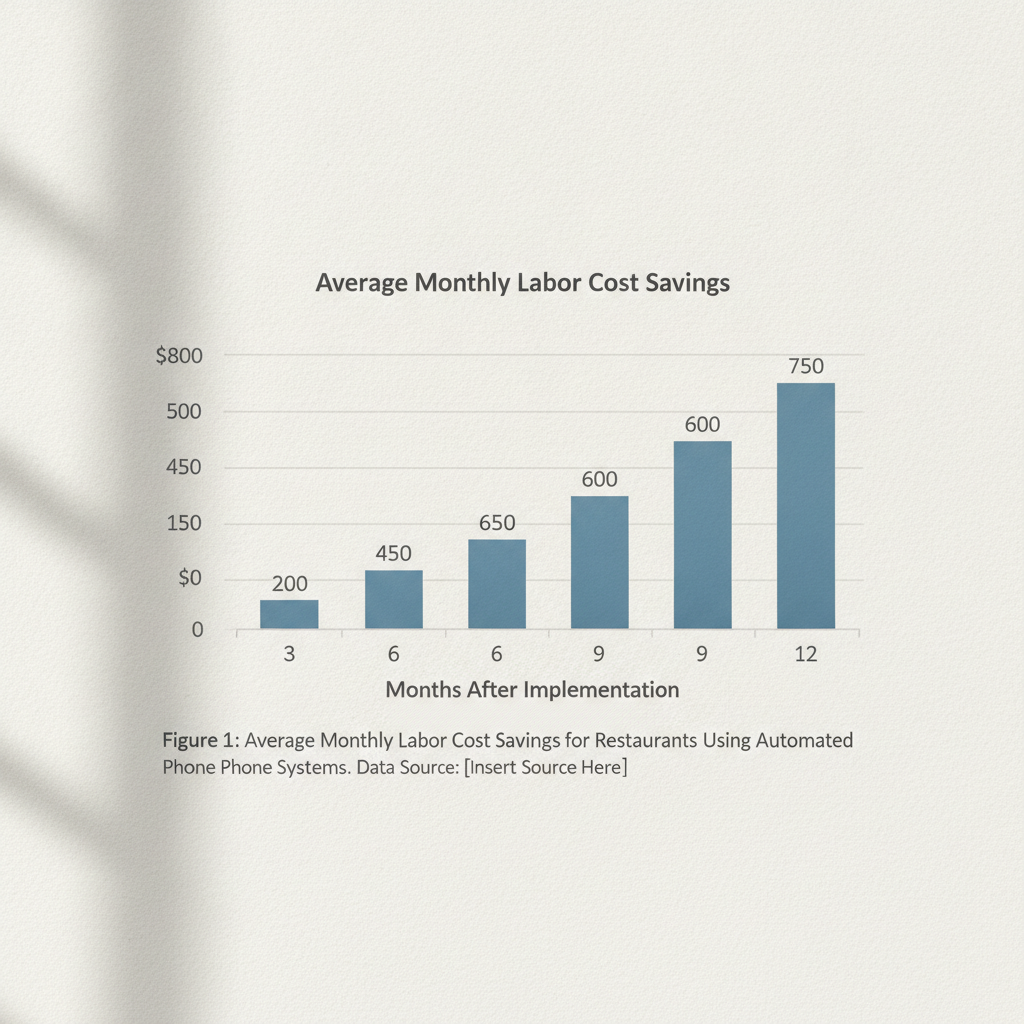
Restaurant labor costs are a significant expense – up to 30% of total revenue. They include wages, benefits, recruiting, training, and managing employees. The Bureau of Labor Statistics: Restaurant Industry Employment Trends shows the restaurant industry has some of the highest labor costs.
How Can Automated Phone Answering Reduce Labor Costs?
Automated phone answering systems can reduce labor costs by automating tasks like answering calls, taking orders, and managing reservations. This frees up staff to focus on other tasks – like customer service, food prep, and management. You’ll see significant labor cost savings, increased productivity, and efficiency.
What are the Benefits of Automated Phone Answering for Restaurants?
The benefits are numerous. Some of the most significant include:
- Reduced labor costs: automating phone calls means fewer staff are needed, leading to labor cost savings.
- Increased productivity: automation frees up staff for other tasks.
- Improved customer service: automated systems provide quick and easy access to info.
- Enhanced customer experience: automated systems offer personalized and interactive service.
How Does StrideQ’s Automated Phone Answering Solution Work?
StrideQ’s solution is a cloud-based system using AI to answer calls, take orders, and manage reservations. It’s fully customizable and integrates with existing management systems. To learn more, check out StrideQ’s automated phone answering solution.
What are the Return on Investment (ROI) Benefits of Automated Phone Answering for Restaurants?
The ROI benefits are significant. By reducing labor costs, increasing productivity, and improving customer service, restaurants see a return on investment. A National Restaurant Association study found the average restaurant can save up to $10,000 per year with automated phone answering.
Real-World Case Studies: Automated Phone Answering in Action
Restaurants have seen benefits from automated phone answering. For example, a large US chain saw a 25% reduction in labor costs and 15% increase in customer satisfaction. A European restaurant saw a 30% increase in online orders and 20% increase in customer retention.
Statistics: The Impact of Automated Phone Answering on Restaurant Labor Costs
A National Restaurant Association study found the average restaurant spends 30% of revenue on labor costs. Automated phone answering can reduce labor costs by up to 30% – significant cost savings and increased productivity. IBISWorld found automated phone answering in restaurants will increase by 15% over the next five years.
How to Implement an Automated Phone Answering System in Your Restaurant
Implementation is relatively easy. Here’s how:
- Research and choose a system that meets your needs.
- Customize the system to integrate with your existing management systems.
- Train staff on using the system and troubleshooting.
- Monitor performance and make necessary adjustments.
Frequently Asked Questions
Here are some FAQs about automated phone answering for restaurants:
- Q: How much does an automated phone answering system cost?
- A: Costs vary depending on features and functionality, but can be offset by labor cost savings and increased productivity.
- Q: Is implementation easy?
- A: Yes, implementation is relatively easy and can be customized to meet your needs.
- Q: Will automation replace human staff?
- A: No, automation is designed to augment human staff, freeing them up for other tasks and providing excellent customer service.
- Q: How can I measure effectiveness?
- A: Track key metrics like labor cost savings, customer satisfaction, and online orders.
- Q: Can automation integrate with my existing management system?
- A: Yes, most automated phone answering systems can integrate with existing systems.
Benefits of Automated Phone Answering for Small Restaurants
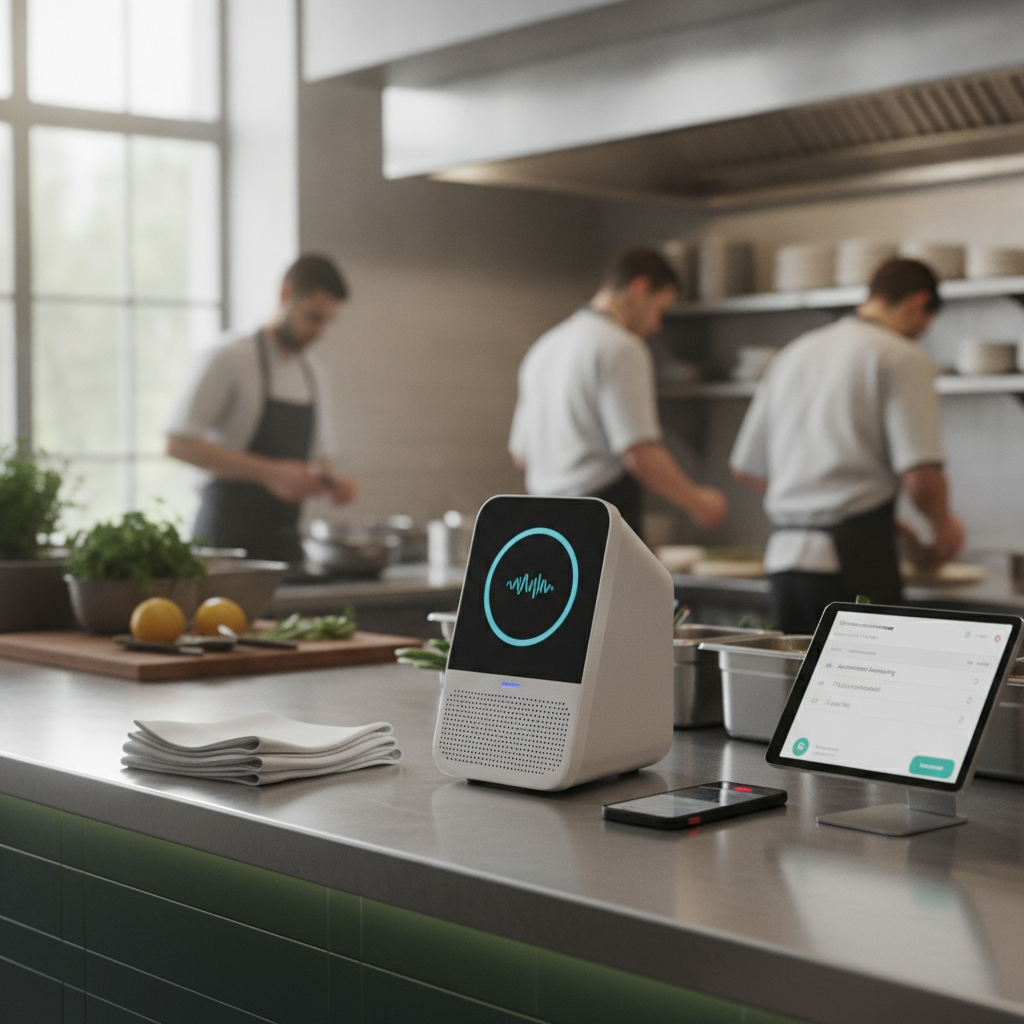
Automated phone answering can be particularly beneficial for small restaurants with limited staff and resources. You’ll free up staff to focus on other tasks like food prep and customer service.
Benefits of Automated Phone Answering for Large Restaurants
Automated phone answering can also benefit large restaurants with a high volume of calls and orders. You’ll reduce labor costs, increase efficiency, and provide excellent customer service.
Case Study: Automated Phone Answering in a Large Restaurant Chain
A large US restaurant chain implemented automated phone answering and saw significant labor cost reduction and increased customer satisfaction. The system handled a high volume of calls and orders, providing quick and easy access to info and personalized service.
Case Study: Automated Phone Answering in a Small Restaurant
A small European restaurant implemented automated phone answering and saw increased online orders and customer retention. The system handled a smaller volume of calls and orders, providing quick and easy access to info and personalized service.
Statistics: The Impact of Automated Phone Answering on Customer Satisfaction
A National Restaurant Association study found restaurants with automated phone answering see an average 15% increase in customer satisfaction. Automation provides quick and easy access to info and personalized service.
Statistics: The Impact of Automated Phone Answering on Online Orders
IBISWorld found restaurants with automated phone answering see an average 20% increase in online orders. Automation provides a convenient way to place orders and manage fulfillment.
Conclusion
In conclusion, automated phone answering can be a valuable tool for reducing labor costs and improving customer service. By automating tasks, you’ll free up staff and provide quick and easy access to info and personalized service.
Future of Automated Phone Answering in Restaurants
The future of automated phone answering will involve advanced technology like AI and machine learning. This will enable restaurants to provide personalized and interactive service while streamlining operations and reducing labor costs.
Best Practices for Implementing Automated Phone Answering in Restaurants
Here are some best practices for implementation:
- Research and choose a system that meets your needs.
- Customize the system to integrate with your existing management systems.
- Train staff on using the system and troubleshooting.
- Monitor performance and make necessary adjustments.